
-

Injecting Meth
Injecting Meth – Methamphetamine (meth) is a highly addictive stimulant that boosts activity in the central nervous system (CNS), resulting in accelerated breathing, increased body temperature, and elevated heart rate.
-

Coping with Depression and Addiction
Coping with Depression and Addiction – According to the Centers for Disease Control and Prevention (CDC) around one in ten Americans experience depression.
-

Principles for Addiction Recovery
Principles for Addiction Recovery – There isn’t a single person in the world that, with the proper treatment and support, cannot recover from addiction.
-

What Kind of Drug Is Alcohol?
Alcohol is an intoxicating substance classified as a central nervous system (CNS) depressant.
-

Codeine Addiction
Codeine Addiction – Codeine is an opiate most commonly used as a cough suppressant and anti-diarrheal in prescription formulations such as Tylenol 3, but it’s also sometimes used to treat mild-moderate pain.
-

Oxycodone Addiction
Oxycodone is a potent prescription opioid commonly known as the brand names OxyContin and Percocet and is indicated for the treatment of moderate to severe pain.
-
Is Drug Addiction a Disease?
Most public health institutions now recognize addiction as a disease, including the American Society of Addiction Medicine an American Medical Association.
-

What Is Dry Drunk Syndrome?
Dry drunk syndrome is characterized by a set of emotional impairments experienced by some people who are in recovery from alcoholism, which impedes a person’s ability to leave their addiction behind, despite being abstinent.
-

What Are the Effects of Smoking Meth?
Methamphetamine (meth) is an extraordinarily addictive and potent central nervous system (CNS) stimulant that can induce intense euphoria, suppress appetite, and increase energy and attention span.
-

Long-Term Effects of Cocaine on the Body
The long-term use of cocaine can result in many physical and emotional problems.
-
Signs of Heroin Addiction
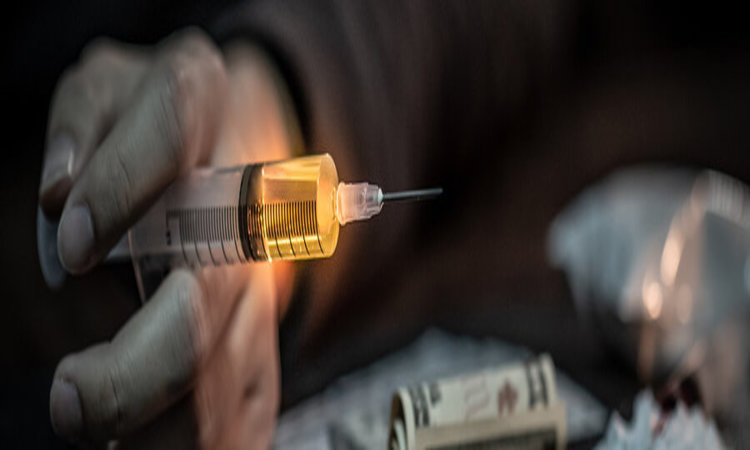
Heroin is an illicit semi-synthetic opiate and powerful central nervous system (CNS) depressant.
-

Angel Dust Drug Effects , Addiction, and Treatment
Phencyclidine (PCP), otherwise known as Angel Dust, is a mind-altering dissociative drug that can cause hallucinations and distortions in a person’s perception of reality.
-

Schizophrenia Symptoms and Addiction
Research has found that many people who have schizophrenia also suffer from addiction.
-

End-Stage Alcoholism
End-Stage Alcoholism – Alcoholism is a common chronic disease that affects over 18 million adults in the United States alone.
-

Fetal Alcohol Syndrome in Adults
Adults with fetal alcohol syndrome often face a series of uphill battles. Fetal alcohol syndrome (FAS) is a group of related signs and symptoms that occur due to excessive alcohol exposure in the womb.
-
Signs of Meth Addiction
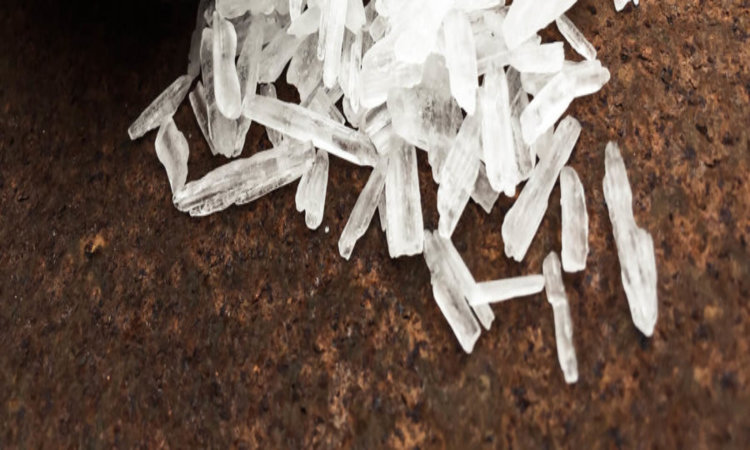
Meth addiction is among the most prevalent drug abuse menaces in America. It has led to the overdoses of thousands, has ravaged communities in all regions of the U.S.
-

Percocet Withdrawal Symptoms: What To Expect
Because Percocet contains the opioid drug oxycodone, thousands of people in the United States have developed an addiction to it.
-

How Does Narcan Work?
How Does Narcan Work? – Narcan (naloxone) is a nasal spray or injectable that works as an opioid antagonist and overdose-reversal agent.
-
The Disease Model of Addiction
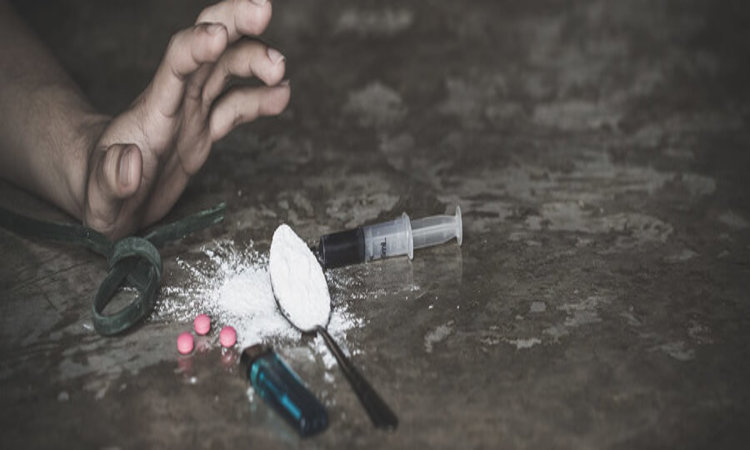
The Disease Model of Addiction – It wasn’t too long ago that society perceived addicts and alcoholics as bad people, rather than having a chronic health condition that required intensive treatment.
-

Identifying Alcoholic Behavior
Identifying Alcoholic Behavior – Nearly all alcoholics find it difficult to quit drinking on their own, and this is one primary reason why professional alcohol treatment is usually the most effective approach to achieving sobriety.
-
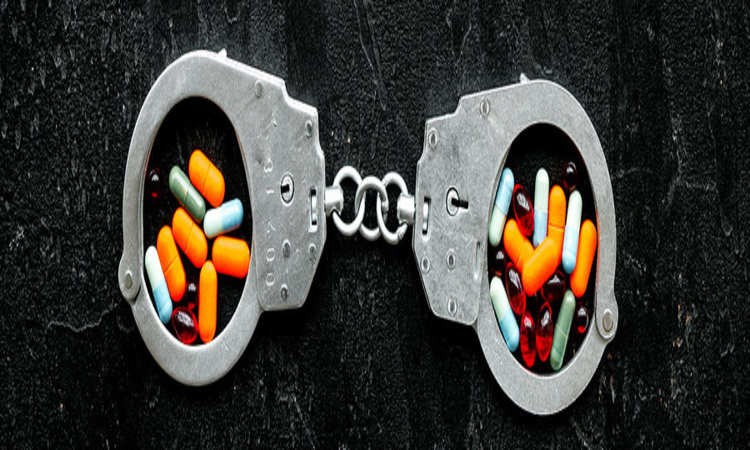
List of Most Common Illicit Drugs
Illicit drugs are those which are usually classified by the Drug Enforcement Administration (DEA) as a controlled substance, indicating that they have little or no medical value, and a high potential for abuse, dependence, or addiction.